The energy in the room was staggering; it was almost as if the band’s creative energies had been bottled up for too long.
Geoff Emerick, Here, There, Everywhere, 135.
Geoff Emerick recalled the atmosphere in the studio when The Beatles finally reunited in November 1966 at EMI after their last public performance at Candlestick Park the previous August, to hear Lennon’s new song.
The Beatles’ new rock style was now emerging as Psychedelic Nostalgia and continued through the recording sessions of Sgt. Pepper. It encompassed a theme of revisiting early communal manhood memories expressed with creative interpretations from their current trend of experimental drug use – again, a combination of the communal past and their present-day, passionate reflections of experiences with LSD. The results were a musical style that associated past visual interpretations in an ethereal, dream-like sound template that mimicked the effects of marijuana and LSD.
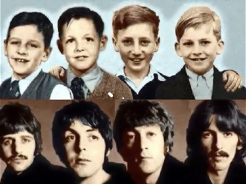
It is considered that when viewed from a self-aligned masculine identity perspective, the new rock style allowed for a shared, public revisiting of their childhood, affirming their social leadership status among their fans while seen in the strength of their communal bond. The Beatles were, in effect, inviting others to join them in their new level of self-aligned expressions that were inclusive of all – a new communal manhood effort that still found importance in the well-being of the community.
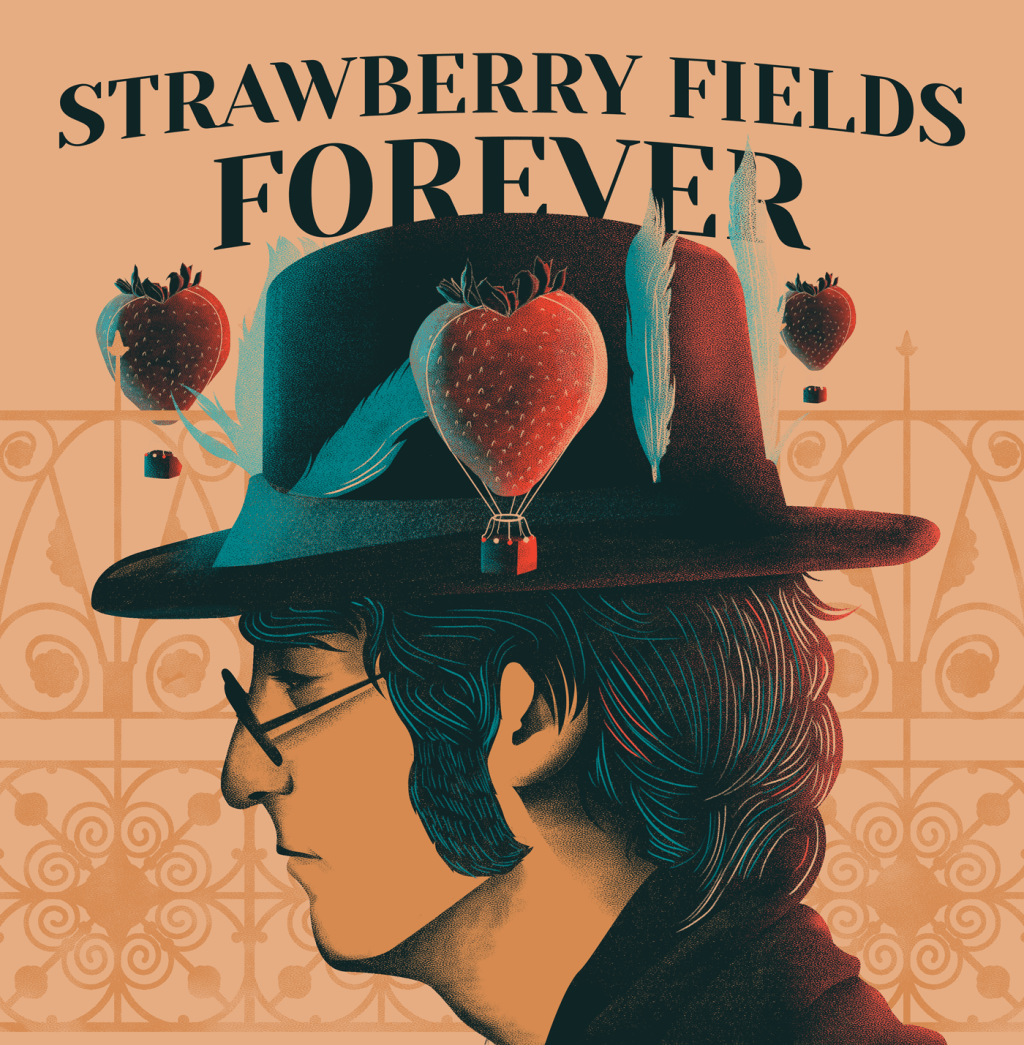
“Strawberry Fields Forever” was Lennon’s genius of expanded self-awareness contained in his masculine identity of self-alignment. This song reflected who he was at the time. Lennon realized the strength behind his early, introverted feelings as a child that was refocused into this song. He recalibrated his communal manhood in the expressions of this song, which by doing so, only strengthened his passionate position as a man and still-leader of The Beatles.
Lennon’s expanding self-awareness did not go unnoticed by his writing partner, McCartney. He unearthed “Penny Lane” to match Lennon. Even more significantly, McCartney was now able to more confidently present his own genius creation – the concept album with alias personalities. Presented in the new Psychedelic Nostalgia rock style, The Beatles could continue to expand their masculine identities as leaders of popular music while satisfying their creative expressions – and not have to reinvent The Beatles in the process (see The Hiatus).
What began as an acoustic ballad became an anthem of psychedelia and communal inclusiveness. The recording project for this song not only gave George Martin yet another personal challenge, but the analogue platform would also be modified. For the song’s final rendering, Lennon ultimately settled on two recorded versions, each containing an interpretation he preferred. In one version, Martin scored parts for trumpets and cellos. It contrasted with the milder acoustic, first half of the song. Lennon could not decide which he preferred and wanted the two sections to be joined together. The analog task was concerning as Martin documented:
Well, there are only two things against it. One is that they’re in different keys. The other is that they’re in different tempos.
Yeah, but you can do something about it, I know. You can fix it, George
Martin, All You Need Is Ears, 199-201.
This experience was another gainful event – the result of the self-aligned aspect of inclusiveness.
 Beatles Fandom
Leave a comment