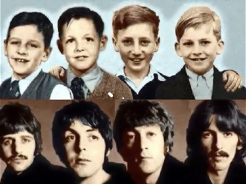

The Beatles have been recognized for their phenomenal success and longevity
Their rise to unprecedented fame and the impact of their music continue to motivate future generations with an ideology of how well-being is sought.
It has been a privilege to study this amazing group of four who continue to inspire us to define their unique appeal.
The Beatles’ success has been defined from many different perspectives, the foremost of which has been from their music. We’ve adored their distinctiveness, with an effort to describe how the magic of their performances as a group and their individual characters blended together – making the girls scream and the boys take notice.
There has to be another perspective to deciphering their magnetism – another common denominator that could point to something about them personally – as men. What if we could interpret how they thought of themselves as men – not how they were supposed to be, but how they saw themselves to be.
A modern study of manhood suggests this new approach to examining masculinity which was inspired by women scholars of the 1970s and 1980s and their views of the diversity of women’s identities. They revealed the importance of gender as a category of social, cultural and historical analysis.
I’ve developed a theory that suggests a “self-aligned” view that builds upon this modern study of masculinity by E. Anthony Rotundo * and applied it to The Beatles. I am suggesting that The Beatles first demonstrated a self-aligned masculinity in 1964 when they appeared on The Ed Sullivan Show. Their musical and personal development through 1967 and Sgt. Pepper‘s release clearly shows evidences of traits and behaviors’ of these self-aligned expressions.
One of self-alignment’s requirements is for personal-creative expansion, which was also adopted by fans who recognized this in The Beatles. This awareness produced a result of freedom-based creative expansion that not only benefitted The Beatles but also the community of individuals who were in proximity to them – mentors and allies as well as male fans who would later become famous in their own right.
Could this self-alignment have comprised that unknown, undefined aspect that was The Beatles’ elusive quality?
- See American Manhood: Transformations in Masculinity from the Revolution to the Modern Era.

We’ll be talking about The Beatles’ experiences that appear to comprise the building blocks of this self-alignment.

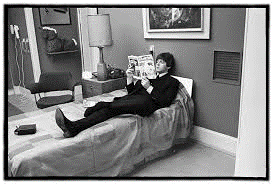


The thesis has, as its launching point, a focus on the engine of male fandom – wait, male fandom?? Yes, men have had a greater than previously recognized impact on The Beatles’ success and longevity in many different ways.
Recent Blog Posts
-
Male Fandom World Tour
Ques: How would you define Beatlemania? Lennon: I couldn’t define it. I know that people have tried and I’m not going to try. Leave it to psychologists and let them get it wrong. Aromas y Pάginas, “Beatlemania,” video, 34:17, accessed September 30, 2021, https://www.youtube.com/watch?v=TU6oF_5yumw. These boys (and some men) were not musicians who were Beatles…
-
In the Recording Studio – Demanding What They Heard
The Beatles became an incredible success story and their behavior showed an obvious contentment in that achievement. Not only because they were generating income for themselves and their record label, but because they understood the method by which to achieve that had everything to do with satisfying their personal, passionate expressions – and these expressions…
-
Marijuana and LSD
Drugs did not interfere with the group’s communal loyalty and confidence in each other or impede incentives toward their passionate manhood’s professional goals. Instead, drugs enhanced their motivation to continue toward increased musical productivity which contributed to their growing fandom success. The Beatles not only conformed to consumerism’s appetite for corporate revenue, but their self-aligned…
Click on Portfolio to read more!
 Beatles Fandom
Leave a comment